



 (+91 86930 54000)
What Is Brown Sugar Drug? Effects, Risks and Treatment in India
If someone you love is struggling with brown sugar addiction, you already know how frightening it can be. The mood swings. The secrecy. The constant worry about what might happen next.
Many families in India hear terms like brown sugar, smack, heroin, or opioids and assume they are different substances. In reality, they are closely related. Brown sugar is one of the most dangerous forms of opioid abuse seen across India, and its impact can be devastating if left untreated.
The good news is that recovery is possible. With the right support, professional treatment, and long-term rehabilitation, many people successfully overcome addiction and rebuild their lives.
This guide explains what brown sugar is, why it is so addictive, how it affects the brain and body, and what treatment options are available in India.
What Is Brown Sugar?
Quick Answer
Brown sugar is a low-purity form of heroin that is commonly sold illegally in India. It contains heroin mixed with various chemicals and adulterants, making its effects unpredictable and often more dangerous than people realize.
Brown sugar usually appears as a brown or off-white powder and is commonly smoked, snorted, or injected. Because it belongs to the opioid family, it affects the same areas of the brain responsible for pleasure, pain relief, and reward.
Many people initially use the drug seeking temporary relaxation or escape from emotional stress. That relief doesn’t last long.
Over time, the brain begins depending on the substance to function normally. What starts as occasional use can quickly become a cycle of cravings, dependence, and addiction.
In many parts of India, brown sugar is also referred to as:
- Smack
- Heroin
- Chitta
- Gard
- Opioid powder
Regardless of the name, the risks remain the same.
Brown Sugar vs Heroin — Are They the Same?
One of the most common questions people ask is whether brown sugar and heroin are actually different drugs.
The answer is both yes and no.
Brown sugar is essentially a lower-purity form of heroin. While both substances come from morphine derived from the opium poppy plant, brown sugar is usually mixed with additional substances before being sold on the street.
Brown Sugar vs Heroin Comparison
| Factor | Brown Sugar | Heroin |
| Purity | 10–30% | 60–80% |
| Composition | Mixed with adulterants | Relatively pure |
| Cost | Lower | Higher |
| Form | Brown powder | White/off-white powder |
| Danger | Unpredictable, very high | Very high |
The biggest concern is unpredictability.
A person buying brown sugar rarely knows exactly what is inside it. This increases the risk of overdose, poisoning, severe health complications, and addiction.
Many individuals seeking heroin and brown sugar addiction treatment are often unaware of the actual composition of the drug they have been using.
What Is Brown Sugar Made Of?
Most people assume brown sugar contains only heroin. Unfortunately, that is rarely the case.
Street dealers frequently mix the drug with various substances to increase volume and profit.
Some of these additives can be extremely harmful.
Common Adulterants Found in Brown Sugar
| Adulterant | Purpose |
| Chalk powder | Bulking agent |
| Zinc oxide | Bulking agent |
| Strychnine | Mimics drug effect |
| Caffeine | Enhances effect |
| Other opioids | Increase potency |
These substances can place additional strain on the body and create serious health risks beyond heroin addiction itself.
Because users rarely know the exact contents, every dose carries a degree of uncertainty.
How Does Brown Sugar Addiction Develop?
Brown sugar addiction does not happen overnight.
It usually develops gradually.
The first few uses may create feelings of:
- Relaxation
- Euphoria
- Reduced anxiety
- Emotional numbness
- Temporary escape from stress
The brain responds by releasing large amounts of dopamine and other reward chemicals.
At first, this feels good.
Then the brain starts adapting.
Over time:
- The same amount produces less effect
- Larger doses become necessary
- Cravings become stronger
- Normal life feels less enjoyable without the drug
This process is called tolerance.
Once tolerance develops, physical dependence often follows.
Eventually, people may find themselves using brown sugar not to feel good—but simply to avoid withdrawal symptoms.
That is when addiction becomes much harder to control without professional support.
Signs and Symptoms of Brown Sugar Addiction
Families often notice addiction long before the person using the drug admits there is a problem.
The signs may appear subtle at first.
Then they become harder to ignore.
Behavioral Signs
A person struggling with addiction may:
- Become secretive
- Avoid family conversations
- Withdraw from friends
- Lose interest in work or studies
- Spend increasing amounts of money
- Lie about activities or whereabouts
Many families describe feeling like they are watching a completely different person emerge.
Physical Symptoms
Brown sugar addiction often causes noticeable physical changes.
These may include:
- Extreme drowsiness
- Slurred speech
- Weight loss
- Poor hygiene
- Constricted pupils
- Frequent fatigue
Sleep patterns often become irregular, and overall physical health may begin to decline.
Emotional and Mental Health Changes
Addiction affects far more than the body.
Many individuals experience:
- Anxiety
- Depression
- Mood swings
- Irritability
- Emotional numbness
- Low motivation
Over time, relationships, careers, and emotional well-being often begin to suffer.
This is one reason why effective treatment focuses not only on detox but also on emotional healing and treatment methods that address the psychological side of addiction.
Brown Sugar Withdrawal Symptoms
One of the main reasons people continue using brown sugar is withdrawal.
The symptoms can be extremely uncomfortable.
Many people attempt to quit on their own but relapse because the physical and emotional distress becomes overwhelming.
Brown Sugar Withdrawal Timeline
| Timeframe | Symptoms |
| 4–6 hours after last dose | Anxiety, cravings, restlessness |
| 12–24 hours | Muscle pain, sweating, insomnia |
| 24–48 hours | Nausea, vomiting, diarrhoea, chills |
| 3–5 days | Peak symptoms — extreme discomfort |
| 5–10 days | Symptoms gradually reduce |
| 10–15 days | Physical symptoms mostly resolve, psychological cravings continue |
The first week is often the most challenging.
Without support, many people return to drug use simply to stop the withdrawal symptoms.
This is why medically supervised detox and a structured de-addiction treatment programme can significantly improve recovery outcomes.
Health Risks of Long-Term Brown Sugar Use
The longer addiction continues, the greater the impact on physical and mental health.
Some consequences develop slowly.
Others can happen suddenly and without warning.
Physical Health Risks
Long-term use may contribute to:
- Breathing difficulties
- Heart complications
- Liver damage
- Malnutrition
- Reduced immunity
- Increased infection risk
Because brown sugar often contains unknown substances, the damage can be even more severe than heroin alone.
Mental Health Risks
Long-term opioid addiction is frequently linked to:
- Chronic anxiety
- Depression
- Social isolation
- Emotional instability
- Cognitive difficulties
Many individuals find themselves trapped in a cycle where addiction worsens mental health, and poor mental health drives further substance use.
Brown Sugar Addiction Treatment in India
Recovery from brown sugar addiction is possible, but it usually requires more than willpower alone.
Many people continue using the drug not because they want to, but because their brain and body have become dependent on it. Trying to quit without support can feel overwhelming, especially during withdrawal.
Professional treatment focuses on helping individuals safely stop using the drug while addressing the emotional, behavioral, and psychological factors behind addiction.
Detox and Medical Stabilization
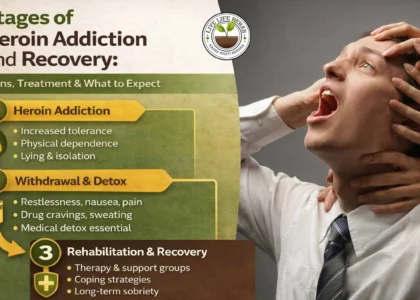
For many people, treatment begins with detox.
This stage focuses on helping the body adjust to functioning without the drug while managing withdrawal symptoms safely.
Medical supervision can help individuals cope with:
- Cravings
- Anxiety
- Sleep disturbances
- Physical discomfort
- Emotional instability
Detox is an important first step, but it is rarely enough on its own.
Therapy and Counseling
Addiction affects how people think, feel, and respond to stress.
That is why therapy plays such an important role in recovery.
Treatment may involve:
- Individual counseling
- Group therapy
- Family therapy
- Cognitive Behavioral Therapy (CBT)
- Relapse prevention planning
These approaches help individuals understand why addiction developed and how to build healthier coping strategies moving forward.
Many people benefit from structured treatment methods that address both addiction and emotional well-being.
Rehabilitation and Long-Term Recovery
Recovery is not about simply stopping drug use.
It is about rebuilding life.
Long-term rehabilitation often focuses on:
- Emotional healing
- Healthy daily routines
- Family relationships
- Stress management
- Relapse prevention
- Ongoing recovery support
Many individuals struggling with opioid dependency benefit from a structured de-addiction treatment programme that provides stability during the recovery process.
Brown Sugar in Gujarat — Why Awareness Matters
Brown sugar and heroin-related drug abuse have become an increasing concern across various parts of India, including Gujarat.
Law enforcement agencies in Ahmedabad and across Gujarat regularly report seizures of heroin, brown sugar, and other narcotics. These cases highlight a growing challenge—not only for authorities but also for families dealing with addiction behind closed doors.
What makes opioid addiction particularly dangerous is that it often remains hidden for months or even years.
A person may continue working, studying, or maintaining daily responsibilities while dependency quietly grows in the background.
Families in Gujarat are becoming more aware of:
- Opioid addiction
- Heroin abuse
- Brown sugar dependency
- Mental health challenges linked to substance use
- The importance of early intervention
The earlier addiction is identified, the better the chances of successful recovery.
When to Seek Help
Many families wait too long.
They hope the person will stop on their own.
They believe it is a temporary phase.
Unfortunately, addiction often becomes more difficult to overcome as dependency increases.
You should consider professional support if:
- Drug use is becoming more frequent
- Withdrawal symptoms appear when the drug is not available
- Work, studies, or relationships are suffering
- Financial problems are increasing
- Previous attempts to quit have failed
- Physical or emotional health is deteriorating
Seeking help early does not mean addiction has become severe.
It means you are taking steps to prevent it from becoming worse.
If you or someone you care about is struggling, reaching out for support can be the turning point that starts recovery.
You can learn more about heroin and brown sugar addiction treatment or contact us confidentially to discuss treatment options and recovery support.
Conclusion
Brown sugar is not a harmless street drug. It is a highly addictive opioid that can affect every part of a person’s life—from physical health and emotional well-being to relationships, finances, and future opportunities.
The longer addiction continues, the harder it becomes to stop.
The good news is that recovery is possible.
With the right treatment, professional support, therapy, and rehabilitation, individuals can regain control of their lives and build a healthier future.
If you or someone you care about is struggling with brown sugar addiction, seeking help early can make recovery safer, more manageable, and more successful.
Frequently Asked Questions
Is brown sugar the same as heroin?
Brown sugar is a low-purity form of heroin. It contains heroin mixed with various adulterants and impurities, making its composition unpredictable and often more dangerous.
Is brown sugar more dangerous than heroin?
Both are highly dangerous. However, brown sugar is often mixed with unknown substances, which increases the risk of overdose, poisoning, and serious health complications.
Can someone recover from brown sugar addiction completely?
Yes. Many individuals achieve long-term recovery through detox, therapy, counseling, rehabilitation, and ongoing support. Early treatment often improves recovery outcomes.
How long does brown sugar addiction treatment take?
Treatment duration varies depending on the severity of addiction and individual needs. Detox may take days or weeks, while rehabilitation and recovery support often continue for several months.
Is brown sugar addiction treatment available in Gujarat?
Yes. Professional addiction treatment, rehabilitation support, counseling, and recovery programs are available in Gujarat for individuals struggling with opioid addiction.
How can someone start treatment for brown sugar addiction?
Treatment usually begins with a confidential assessment, followed by a personalized recovery plan that may include detox, counseling, therapy, and long-term rehabilitation support.