



 (+91 86930 54000)
Meth Addiction: Signs, Effects & Treatment Options Explained
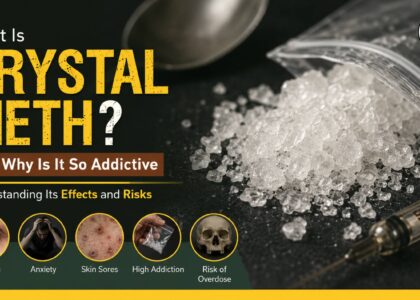
Meth addiction is a serious and rapidly growing issue that affects individuals across the world. Methamphetamine—often known as crystal meth, ice, or speed—is a powerful stimulant that can quickly lead to dependence, severe health complications, and long-term behavioral changes.
What makes meth addiction particularly dangerous is how fast it impacts the brain, increasing cravings and making it difficult to quit without professional help. Understanding the signs, effects, and treatment options is essential for anyone seeking recovery or helping a loved one. Many individuals begin their journey by exploring meth addiction treatment programs that provide structured support and care.
What Is Meth Addiction?
Meth addiction is a type of substance use disorder caused by repeated use of methamphetamine. It affects the brain’s reward system, leading to compulsive drug-seeking behavior despite harmful consequences.
Methamphetamine is known by different names such as crystal meth, ice, speed, and shabu in different regions, but its effects remain equally harmful regardless of what it’s called.
Without proper care, individuals often require support from a drug addiction treatment center to safely manage recovery.
Signs and Symptoms of Meth Addiction
Recognizing the early signs of meth addiction can help prevent long-term damage and improve recovery success.
Common Meth Addiction Symptoms
- Intense cravings for meth
- Increased energy followed by extreme fatigue
- Rapid weight loss and decreased appetite
- Anxiety, paranoia, or aggressive behavior
- Neglecting responsibilities and relationships
These symptoms often worsen over time without proper intervention, making professional addiction treatment essential.
Effects of Meth on the Brain and Body
Methamphetamine use can cause both short-term and long-term damage to physical and mental health.
Short-Term Effects of Meth Use
- Increased heart rate and blood pressure
- Elevated energy and alertness
- Reduced need for sleep
- Risky or impulsive behavior
Long-Term Effects of Meth Addiction
- Severe dental issues (“meth mouth”)
- Memory loss and cognitive decline
- Anxiety, depression, and psychosis
- Damage to the heart, liver, and brain
Long-term use of crystal meth or ice can significantly affect overall health and may require long-term rehabilitation programs for recovery.
Meth Withdrawal and Detox Process
When individuals stop using meth, they often experience withdrawal symptoms that can be both physical and emotional.
Common Meth Withdrawal Symptoms
- Extreme fatigue and low energy
- Depression and mood swings
- Intense cravings
- Sleep disturbances
- Difficulty concentrating
A medically supervised detox process, such as a drug detox program, can help manage withdrawal safely and prepare individuals for further treatment.
Meth Addiction Treatment Options
Effective meth addiction treatment involves a combination of medical care, therapy, and long-term support.
Drug Detox Treatment for Meth Addiction
Drug detox is the first step in removing meth from the body under professional supervision, helping individuals stabilize before starting therapy.
Inpatient Rehab Programs
Inpatient rehab programs provide structured care in a controlled environment, allowing individuals to focus entirely on recovery. These programs are often part of comprehensive rehab centres in India that offer full-time support.
Outpatient Treatment Programs
Outpatient treatment offers flexibility, making it suitable for individuals with mild to moderate addiction or those transitioning from inpatient care.
Behavioral Therapy and Counseling
Behavioral therapy is one of the most effective approaches for treating meth addiction.
Common therapies include:
- Cognitive Behavioral Therapy (CBT)
- Motivational Interviewing (MI)
- Group and family therapy
These therapies are widely used in addiction treatment programs to help individuals understand triggers and build healthier coping strategies.
Long-Term Recovery and Relapse Prevention
Recovery is an ongoing process that requires continuous support and lifestyle changes.
This may include:
- Support groups and counseling
- Healthy routines and habits
- Avoiding triggers
- Ongoing professional guidance
Many individuals explore structured rehabilitation programs when looking for a stable and supportive recovery environment.
How to Choose the Right Rehab Center
Choosing the right rehab center is an important step in recovery. It’s helpful to look for programs that offer a balanced approach, including medical care, therapy, and ongoing support.
Factors such as the type of treatment programs available, the level of professional support, duration of care, and aftercare services can all influence recovery outcomes.
A personalized assessment at a trusted addiction treatment center can help determine the most suitable treatment plan.
When to Seek Help for Meth Addiction
- Inability to stop using meth
- Experiencing withdrawal symptoms
- Changes in behavior or mental health
- Decline in work, relationships, or physical health
Seeking help early through a professional rehab program can significantly improve recovery outcomes and reduce long-term risks.
Conclusion
Meth addiction can have serious and lasting effects on both physical and mental health. However, with the right combination of detox, therapy, and ongoing support, recovery is possible. Understanding the signs, risks, and exploring treatment options for addiction is the first step toward building a healthier and drug-free life.
FAQs
What are the early signs of meth addiction?
Early signs include increased energy, reduced appetite, mood swings, and strong cravings.
How long does meth withdrawal last?
Meth withdrawal can last from several days to a few weeks, depending on the severity of addiction.
What is the best treatment for meth addiction?
The most effective treatment includes detox, therapy, and long-term recovery support.
Can meth addiction be treated successfully?
Yes, with the right treatment plan and consistent support, recovery is possible.
Is inpatient rehab necessary for meth addiction?
In severe cases, inpatient rehab provides a structured and supportive environment for recovery.
What are the long-term effects of meth use?
Long-term use can lead to serious mental health issues, cognitive decline, and physical damage to vital organs.
How can I start meth addiction treatment?
At Live Life Rehab, treatment begins with a confidential assessment. Our team works closely with individuals to create a personalized plan that supports safe and effective recovery.