




 (+91 86930 54000)
The Fentanyl Crisis in the USA: Causes, Death Rates & Treatment Options
The fentanyl crisis in the USA has become one of the most urgent public health emergencies in recent years. Fentanyl, a powerful synthetic opioid, is responsible for a significant rise in overdose deaths across the country. What makes this crisis especially dangerous is how quickly addiction can develop and how easily fentanyl is mixed with other drugs without users knowing.
Understanding the causes, risks, and available addiction treatment options is essential for individuals and families seeking help and long-term recovery.
What Is Fentanyl and Why Is It So Dangerous?
Fentanyl is a synthetic opioid that is up to 50 times stronger than heroin and 100 times stronger than morphine. While it is used medically for severe pain management, illegal fentanyl has fueled the ongoing opioid crisis in the USA.
Even a small amount can cause overdose, making fentanyl one of the most dangerous drugs currently affecting communities.
Understanding the Fentanyl Crisis in the USA
The fentanyl crisis in the USA is closely linked to the broader opioid epidemic. In recent years, overdose deaths have increased sharply due to the widespread availability of illicit fentanyl.
Key Factors Driving the Opioid Crisis in the US
- Increased availability of synthetic opioids
- Mixing fentanyl with heroin, cocaine, and other drugs
- Lack of awareness among users
- High addiction potential
This combination has made fentanyl overdose a leading cause of death in the United States.
Fentanyl Overdose Deaths in the USA: Rising Statistics
Fentanyl overdose deaths continue to rise each year, highlighting the severity of the crisis.
- In 2023, the United States recorded over 107,000 drug overdose deaths, with the majority linked to synthetic opioids like fentanyl.
- In 2024, overdose deaths remained around 100,000+, showing the scale of the ongoing crisis despite prevention efforts.
- Fentanyl alone is responsible for nearly 70–80% of all opioid-related deaths in the country.
Many individuals are unaware they are consuming fentanyl, as it is often mixed with other substances, which significantly increases the risk of fatal overdose.
Common Causes of Fentanyl Overdose
- Taking unknown or contaminated substances
- High potency even in small doses
- Repeated use leading to tolerance
- Using drugs alone without immediate help
Addressing these risks requires both awareness and access to effective addiction treatment programs.
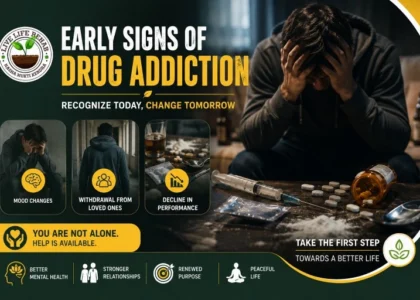
Signs and Symptoms of Fentanyl Addiction
Recognizing fentanyl addiction symptoms early can help prevent serious consequences and improve recovery outcomes.
Common Fentanyl Addiction Symptoms
- Intense cravings for opioids
- Drowsiness and slowed breathing
- Confusion or lack of focus
- Withdrawal from family and responsibilities
- Continued use despite negative effects
These symptoms often worsen over time, making professional addiction treatment essential.
Fentanyl Withdrawal Symptoms and Detox Process
Fentanyl withdrawal symptoms can be physically and emotionally challenging, especially without medical support.
Common Withdrawal Symptoms
- Nausea and vomiting
- Muscle pain and body aches
- Anxiety and depression
- Insomnia and restlessness
- Strong drug cravings
A medically supervised detox program can help manage these symptoms safely and reduce the risk of relapse.
Fentanyl Addiction Treatment Options
Effective fentanyl addiction treatment requires a combination of medical care, therapy, and long-term support.
Medical Detox for Fentanyl Addiction
Medical detox is the first step in removing fentanyl from the body under professional supervision.
Inpatient Rehab for Opioid Addiction
Inpatient rehab programs provide structured care, helping individuals focus entirely on recovery in a controlled environment.
Behavioral Therapy for Addiction Recovery
Behavioral therapy such as Cognitive Behavioral Therapy (CBT) helps individuals understand triggers and develop healthier coping mechanisms.
Medication-Assisted Treatment (MAT) for Opioid Use Disorder
Medication-assisted treatment (MAT) uses medications like methadone, buprenorphine, and naltrexone to reduce cravings and prevent relapse.
When to Seek Help for Fentanyl Addiction
- Frequent cravings and inability to stop using
- Experiencing withdrawal symptoms
- Increased tolerance and higher usage
- Risk of overdose
Seeking help early through a professional rehab program can significantly improve recovery outcomes and prevent life-threatening complications.
Many individuals explore structured rehabilitation programs when looking for a safe and supportive path to recovery.
Conclusion
The fentanyl crisis in the USA continues to impact individuals and families at an alarming rate. With over 100,000 overdose deaths annually, the urgency for awareness and treatment has never been greater. However, recovery is possible with the right combination of detox, therapy, and ongoing support. Understanding the risks and exploring the right treatment options can be the first step toward a healthier, more stable future.
FAQs
What is the fentanyl crisis in the USA?
The fentanyl crisis refers to the rapid increase in overdose deaths caused by synthetic opioids, particularly fentanyl.
Why is fentanyl so dangerous?
Fentanyl is extremely potent, and even small amounts can cause overdose or death.
What are the signs of fentanyl overdose?
Common signs include slowed breathing, unconsciousness, pinpoint pupils, and blue lips or nails.
How long does fentanyl withdrawal last?
Withdrawal symptoms can begin within hours and last several days.
What is the best treatment for fentanyl addiction?
The most effective treatment includes detox, therapy, and medication-assisted treatment.
Can fentanyl addiction be treated successfully?
Yes, with the right treatment program, long-term recovery is possible.
How can I start fentanyl addiction treatment?
At Live Life Rehab, treatment begins with a confidential assessment and a personalized recovery plan.